


TRESP in Tripura’s Ampi Block drives rural success with 100 producer groups, financial support, and women empowerment, transforming tribal livelihoods through agriculture, fisheries, and livestock initiatives under World Bank-funded development programs.
A quiet transformation is unfolding in the remote interiors of Tripura, where determined efforts and focused leadership are reshaping rural livelihoods. In Ampi RD Block under Gomati district, a small but committed team has delivered an inspiring model of development through the Tripura Rural Economic Growth and Service Delivery Project (TRESP).
Implemented by the Department of Tribal Welfare, Government of Tripura, TRESP aims to strengthen economic opportunities in tribal-dominated regions. In Ampi Block, this mission has translated into tangible outcomes despite constraints in manpower and infrastructure. With just four staff members, the initiative has achieved remarkable progress under the leadership of Block Project Manager Sushmita Saha.
Through consistent engagement with local communities, the team has successfully formed 100 Producer Groups (PGs), spanning agriculture, fisheries, and livestock sectors. Of these, 32 groups focus on agriculture, 32 on fisheries, and 36 on livestock activities, reflecting a diversified approach to rural income generation. This structure has enabled villagers to collectively invest, produce, and market their outputs more efficiently.
Financial inclusion has played a critical role in this transformation. Out of the 100 groups, 87 have received financial assistance, including approximately Rs. 5.22 crore in working capital at a minimal interest rate of 3 percent, along with Rs. 43.50 lakh in establishment grants. These funds have helped 70 groups become fully operational, contributing significantly to the local rural economy and creating sustainable income streams.
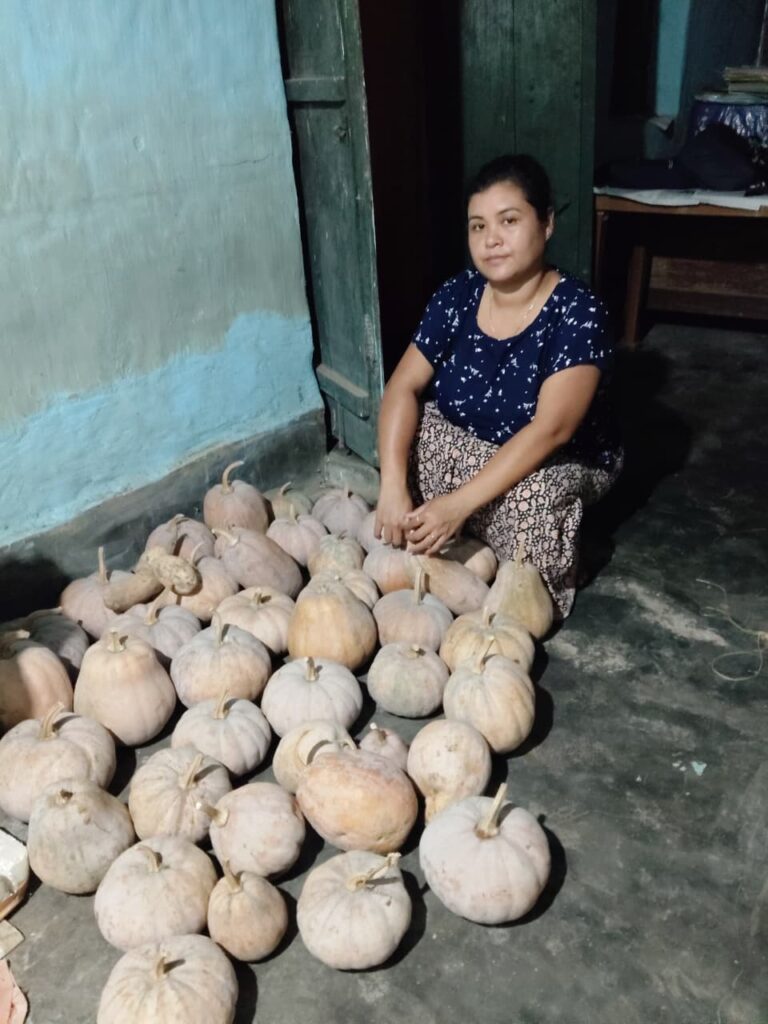
Among the many success stories, the Chasanai Producer Group from Baishyamani Village Committee stands out. The group produced more than 36,000 kilograms of pumpkin in a single season, showcasing the benefits of collective farming and scientific agricultural practices. Their achievement has not only brought financial gains but also inspired neighboring communities to adopt similar models.
The initiative has also led to a profound social impact, particularly in empowering tribal women. Women participants have emerged as active contributors to economic activities, gaining financial independence and increased confidence. Their involvement has strengthened community decision-making and elevated their social standing, marking a significant shift in traditional roles.
The experience of Ampi RD Block highlights that development is not solely dependent on large-scale resources or extensive manpower. Instead, it underscores the importance of commitment, teamwork, and effective leadership in achieving meaningful progress. TRESP’s implementation in this region demonstrates how focused interventions can bring sustainable change even in geographically challenging areas.
| Also Read: Sabroom Girls’ School launches powerful monthly newsletter for student growth |
Funded by the World Bank, TRESP is currently being implemented across 23 blocks in eight districts of Tripura. The success witnessed in Ampi Block serves as a model for other regions, illustrating how targeted efforts can unlock economic potential and improve livelihoods in tribal communities.





