TRLM reviews grassroots health initiatives led by Swasthya Sakhi Didis in Tripura, focusing on nutrition, sanitation, disease awareness, and women empowerment through SHGs, strengthening rural healthcare systems and promoting sustainable community development across districts and blocks.
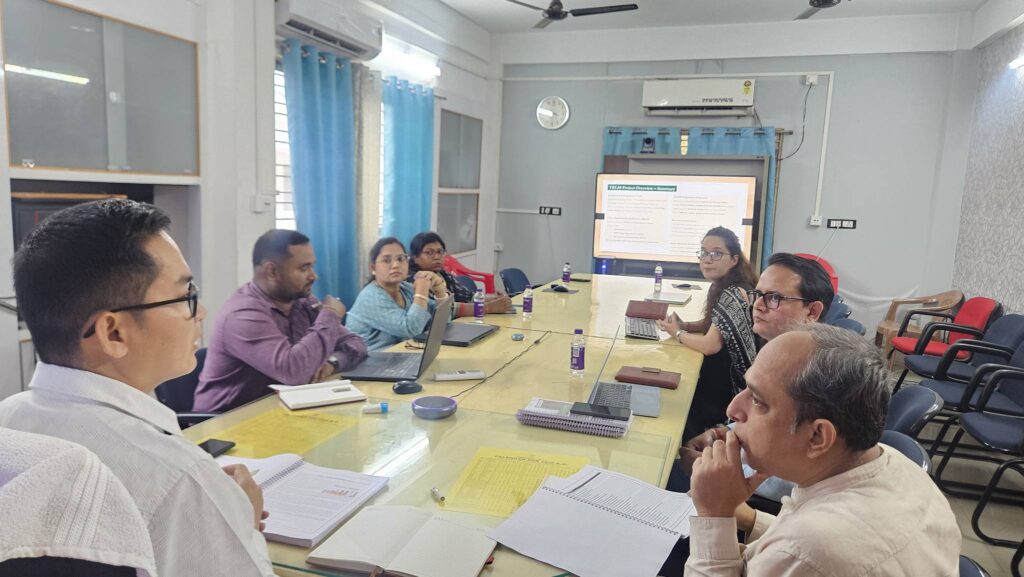
The Tripura Rural Livelihood Mission (TRLM) conducted a high-level review meeting to assess the impact and progress of its Food, Nutrition, Health and Wellness (FNHW) initiatives being implemented across various districts and blocks of the state. The meeting was chaired by Chief Executive Officer Tarit Kanti Chakma and attended by senior officials including the Deputy CEO, Chief Operating Officer, State Mission Manager, and other administrative personnel.
The primary focus of the meeting was to evaluate the grassroots-level contributions of the Swasthya Sakhi Didis, who are community health volunteers working under TRLM. These women have emerged as key agents of change in rural Tripura, playing a vital role in promoting awareness about sanitation, hygiene, nutrition, and disease prevention.
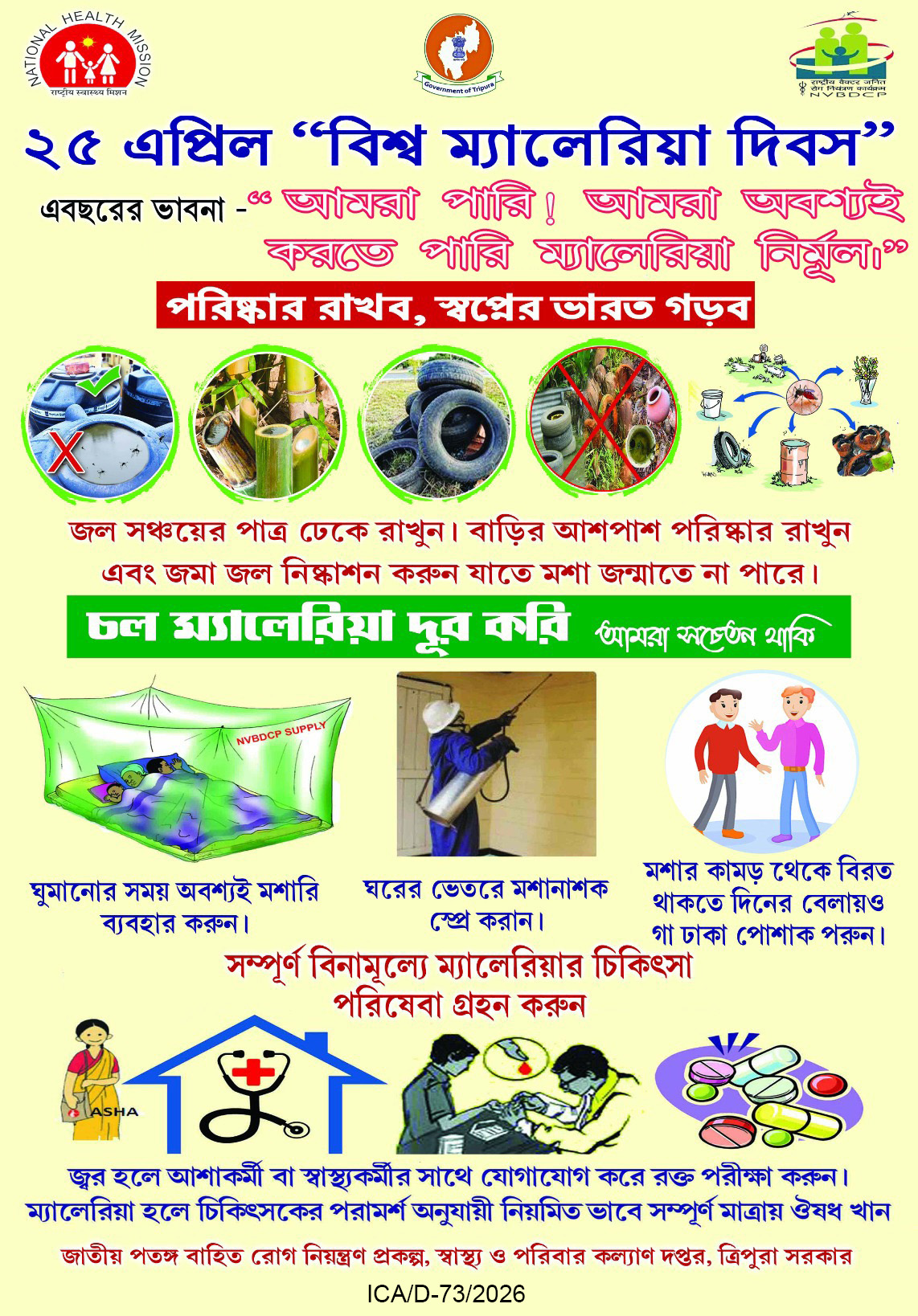
Officials highlighted that the Swasthya Sakhi Didis have been instrumental in organizing health camps, conducting awareness campaigns, and reaching out to remote communities through innovative methods such as street plays and interactive sessions. Their efforts have significantly improved awareness about diseases such as malaria, especially in vulnerable districts, while also strengthening preventive healthcare practices.
A major area of their work includes maternal and child health. The volunteers actively promote safe pregnancy practices, infant nutrition, and breastfeeding awareness. Additionally, they have taken a lead role in spreading awareness about menstrual hygiene, addressing long-standing social taboos and encouraging healthier practices among women and adolescent girls.
The meeting also acknowledged their contribution to nutrition awareness under initiatives like Poshan campaigns. Swasthya Sakhi Didis conduct workshops for pregnant women and mothers, emphasizing balanced diets and proper infant feeding practices, which are critical to reducing malnutrition in rural areas.
Beyond health advocacy, these volunteers are also members of Self Help Groups (SHGs), often linked to livelihood initiatives such as the Lakhpati Didi programme. This integration of financial independence with community service has empowered them socially and economically, allowing them to take leadership roles within their villages.
Senior officials noted that the convergence of livelihood and health missions has created a sustainable model for rural development. The Swasthya Sakhi Didis are not just healthcare facilitators but also community mobilizers who drive behavioral change at the grassroots level.
During the meeting, emphasis was placed on strengthening training modules, improving monitoring mechanisms, and ensuring continuous administrative support to maintain the effectiveness and sustainability of these initiatives. The leadership reaffirmed its commitment to expanding the reach of FNHW programmes across more regions in the state.
The review was based on a comprehensive study undertaken by TRLM to evaluate the implementation and outcomes of health and wellness initiatives carried out by Swasthya Sakhi Didis and the administrative machinery at block and district levels.
| Also Read: BJP Fields Candidates in All 28 TTAADC Seats, Signals Solo Poll Strategy |
Concluding the session, TRLM leadership stressed that integrating health awareness with livelihood programmes is essential for building resilient and self-reliant rural communities. The success of Swasthya Sakhi Didis stands as a testament to the power of community-driven development in transforming public health outcomes in Tripura.