


Tripura has arrested over 3,700 foreign nationals, including 3,463 Bangladeshis, since 2022 as part of intensified anti-infiltration efforts. The state government, BSF, and Special Task Forces have strengthened border surveillance amid growing concerns over illegal migration, security threats, document fraud, and cross-border crimes.
Tripura has arrested more than 3,700 foreign nationals, including a large number of Bangladeshi citizens, since 2022 as part of an intensified drive to curb illegal infiltration and strengthen border security, according to officials from the state Home Department.
Official figures revealed that a total of 3,705 foreign nationals were apprehended between 2022 and 2025 for entering India illegally through Tripura. Among them, 3,463 were Bangladeshi nationals, highlighting the persistent challenge of cross-border migration faced by the northeastern state.
Data shared by officials showed that 965 Bangladeshi nationals were arrested in 2022. The number increased to 1,014 in 2023 before slightly declining to 947 in 2024. In 2025, authorities have so far arrested 537 Bangladeshi nationals.
Officials stated that the majority of those arrested have already been deported to their respective countries following the completion of legal formalities and diplomatic procedures. However, around 220 foreign nationals remain lodged in various jails across Tripura while their cases are being processed.
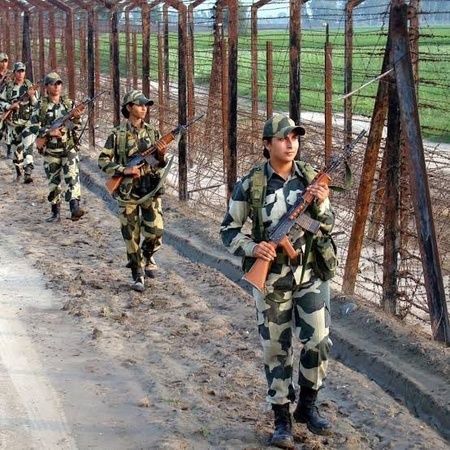
Apart from Bangladeshi citizens, authorities also detained 227 Rohingya individuals and several other foreign nationals belonging to countries such as Nigeria, Cameroon, Guinea, France, and Pakistan.
The issue of illegal infiltration has emerged as a major concern for the Tripura government due to the state’s strategic location. Sharing an 856-kilometre international border with Bangladesh and being surrounded by the neighbouring country on three sides, Tripura remains vulnerable to illegal migration, smuggling, trafficking, and other trans-border criminal activities.
During the recent budget session of the Tripura Assembly, Chief Minister Manik Saha emphasized that the state government is treating the issue of infiltration with utmost seriousness. Following political developments and regime change in Bangladesh, the government constituted Special Task Forces (STFs) in all eight districts of the state in accordance with directives issued by the Ministry of Home Affairs.
According to the Chief Minister, the STFs have been tasked not only with preventing illegal infiltration but also with monitoring terrorist activities, drug trafficking networks, extremist groups, and international criminal operations that may attempt to exploit border vulnerabilities.
Saha, who also holds the Home portfolio, acknowledged that some stretches of the international border remain unfenced due to geographical and logistical challenges. Nevertheless, he reiterated the government’s commitment to preventing illegal entry and tackling the misuse of forged identity documents.
Security agencies have also enhanced surveillance along the international border. Senior Border Security Force (BSF) officials indicated that vigilance has been significantly strengthened since unrest and political instability erupted in Bangladesh during June and July 2024, culminating in major political changes in August that year.
Meanwhile, the Tripura High Court has sought a detailed report from the state government regarding measures taken to prevent infiltration. The directive was issued by a division bench headed by Chief Justice M.S. Ramachandra Rao while hearing a petition filed by three individuals, including Tipra Motha Party MLA Ranjit Debbarma.
The petitioners argued that despite existing guidelines from the Ministry of Home Affairs, stronger and more effective measures are required to address illegal infiltration into the state.
Responding to the court proceedings, Debbarma stressed the need for immediate action, stating that infiltration poses challenges to internal security and could affect the interests of Tripura’s indigenous communities. He also alleged that some illegal immigrants had managed to obtain government-issued identity documents, including Aadhaar cards, voter identity cards, ration cards, Permanent Resident Certificates, and health cards with the assistance of corrupt officials.
In a recent communication to Union Home Minister Amit Shah, Debbarma expressed concern over the difficulty of identifying illegal immigrants due to cultural, linguistic, and physical similarities between Bangladeshi nationals and sections of Tripura’s local population. He also cited reports alleging the presence of a significant number of illegal voters in the state.
| Also Read: Tripura Launches FIGS for Smart Forest Governance |
As authorities continue their anti-infiltration operations, Tripura remains focused on strengthening border management, improving surveillance mechanisms, and ensuring strict enforcement of immigration laws to safeguard national security and maintain stability along one of India’s most sensitive international borders.





