Bangladesh’s dengue outbreak has claimed six more lives, raising the 2026 death toll to 445. The DGHS reported 1,866 new hospital admissions, while health experts warned about delayed treatment, rising infections and the need for stronger preventive measures.
Bangladesh’s dengue outbreak continues to raise serious public health concerns as six more people died from the mosquito-borne disease within 24 hours, taking the country’s death toll in 2026 to 445. The latest fatalities were reported by the Directorate General of Health Services (DGHS) for the 24-hour period ending at 8 am on Wednesday.
According to a report by United News of Bangladesh (UNB), the country also recorded 1,866 new dengue patients admitted to hospitals during the same period, indicating the continuing spread of the infection across different regions.
Of the six newly reported deaths, four occurred in Dhaka, while the remaining two were reported from Khulna. The latest figures highlight the growing pressure on healthcare facilities as dengue infections continue to affect thousands of people across Bangladesh.
According to DGHS statistics, a total of 142,775 dengue patients have been hospitalised across the country since January 1, 2026. Among them, 136,394 patients have recovered following medical treatment. However, 5,936 patients are currently receiving treatment at different hospitals, reflecting the continuing burden on the country’s healthcare system.
Health authorities and experts have repeatedly stressed the importance of early diagnosis, timely hospitalisation and preventive measures to control the spread of dengue, particularly during periods when mosquito breeding increases.
In September, Bangladesh’s State Minister for Fisheries and Livestock Sultan Salauddin Tuku warned that the dengue situation could deteriorate further in the coming months. He urged citizens, local representatives and administrative authorities to take preventive action without delay.
Speaking during a meeting with lawmakers and administration officials regarding the overall law-and-order situation and development activities in Dhaka, Tuku cautioned that the risk of dengue infections could increase further. He called for greater public awareness and coordinated efforts to prevent the disease from spreading.
The minister emphasised that elected representatives, government officials and local residents must work together to eliminate mosquito breeding grounds. He also highlighted the importance of cleanliness campaigns, removal of stagnant water and awareness programmes to reduce mosquito populations.
Meanwhile, health experts have expressed concern over the increasing number of dengue-related deaths, attributing the fatalities to several factors, including delayed hospitalisation, inappropriate treatment and the vulnerability of high-risk patients.
According to a report published by Bangladesh’s The Daily Star, many patients seek medical attention and undergo diagnostic testing only after their health conditions have become critical. Such delays can increase the risk of severe complications and reduce the chances of successful treatment.
Dr. H.M. Nazmul Ahsan, Associate Professor at Dhaka’s Shaheed Suhrawardy Medical College Hospital, said the recent increase in dengue-related deaths was largely associated with the rapid rise in infections nationwide.
He identified three broad categories of factors contributing to fatalities: viral factors, patient-related vulnerabilities and treatment-related complications. These factors, according to the expert, can collectively influence the severity of dengue infections and the outcomes of treatment.
Public health expert Mushtuq Husain also called for strengthening the country’s dengue treatment system through a structured three-tier healthcare approach covering primary, secondary and tertiary healthcare facilities.
Such a system would help ensure that patients receive appropriate medical attention according to the severity of their conditions. Early identification of warning signs and timely referral to specialised hospitals would also be important in preventing avoidable deaths.
| Also Read: India-Israel Ties Gain Renewed Momentum Under Modi and Netanyahu Leadership |
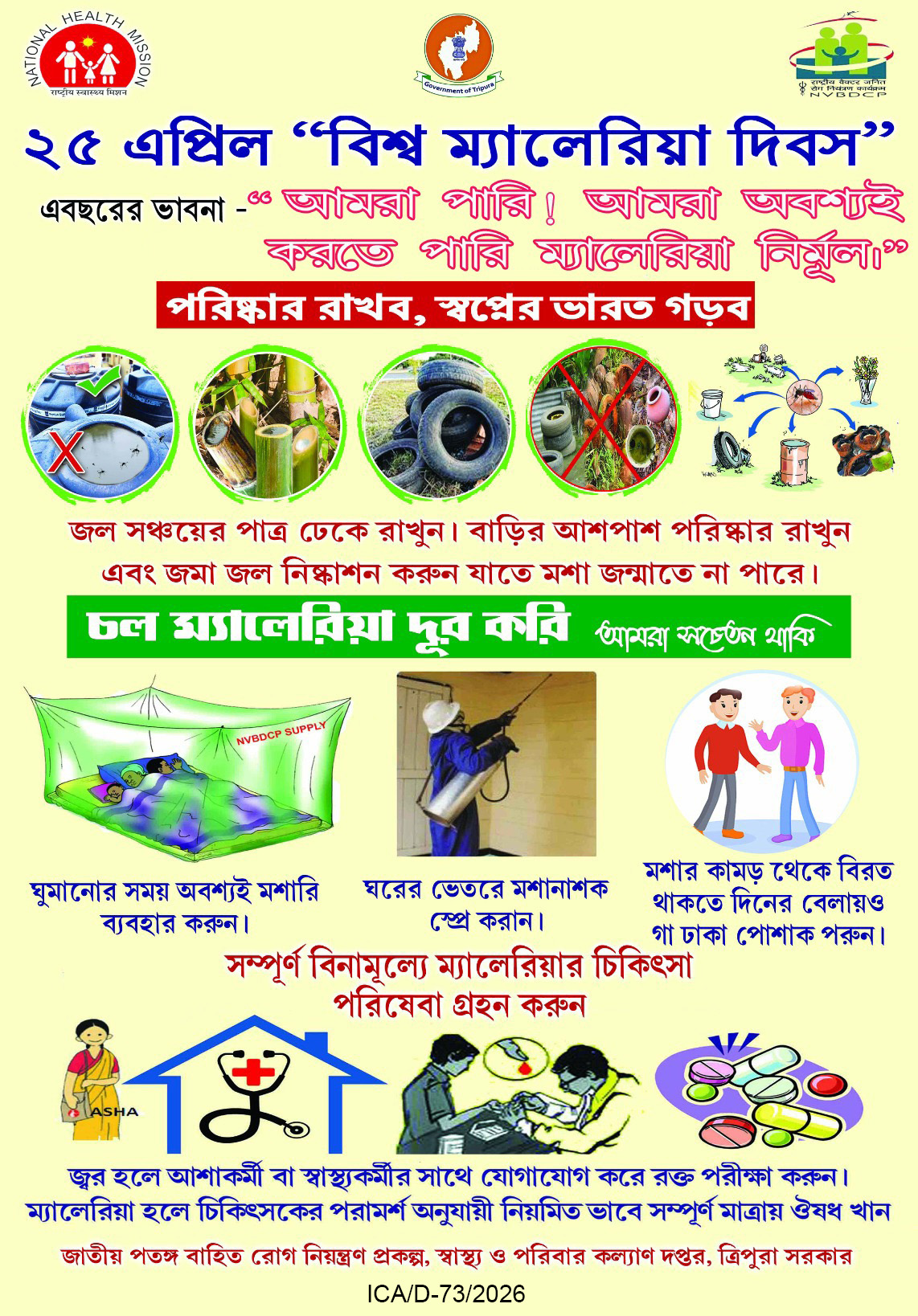
The continuing dengue outbreak has underlined the importance of coordinated public health action in Bangladesh. Health experts have urged people to maintain clean surroundings, prevent stagnant water accumulation, eliminate mosquito breeding sites and seek immediate medical attention if symptoms develop.
With the 2026 death toll reaching 445 and thousands of patients still undergoing treatment, authorities face the challenge of strengthening disease prevention, improving hospital preparedness and ensuring timely medical care to control the outbreak.