


Tripura CM Dr. Manik Saha participated in Tripura’s traditional Ker Puja at Ujjayanta Palace, highlighting its significance as a symbol of tribal and non-tribal harmony, spiritual heritage, peace, prosperity, and collective well-being while extending greetings and prayers for the state’s continued progress.
Chief Minister Dr. Manik Saha on Tuesday participated in the traditional Ker Puja at the historic Ujjayanta Palace premises in Agartala, reaffirming the importance of preserving Tripura’s rich cultural heritage and spiritual traditions. Describing the centuries-old festival as a unique symbol of faith, unity and harmony, the Chief Minister said that Ker Puja continues to strengthen the bond between tribal and non-tribal communities while promoting peace, prosperity and the collective well-being of the people.
The sacred rituals of Ker Puja were conducted in strict accordance with age-old customs at the Rajbari premises, where devotees and dignitaries gathered to observe one of Tripura’s most revered traditional festivals. The Chief Minister, accompanied by BJP State President Abhishek Debroy, West Tripura District Magistrate Vishal Kumar and other senior officials, observed the rituals from outside the notified sacred boundary, respecting the long-established traditions associated with the festival.
Speaking to reporters at the Ujjayanta Palace complex after receiving blessings, Dr. Saha said he felt fortunate to participate in the auspicious occasion. He noted that Ker Puja is a traditional worship of the Vastu Devata and occupies a special place in the cultural and spiritual identity of Tripura.
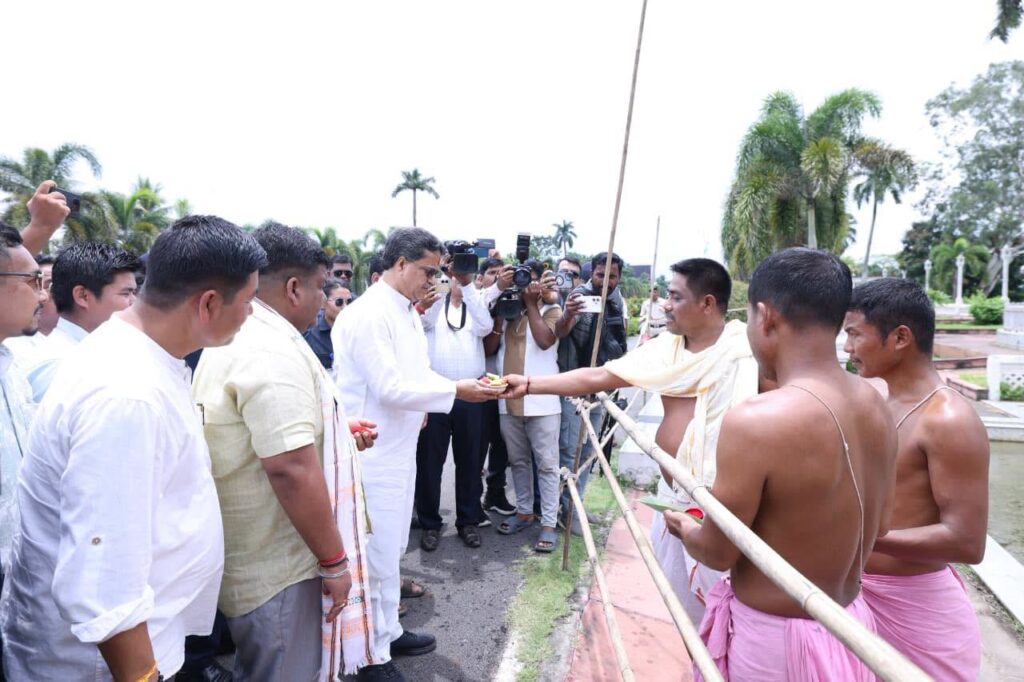
“Today, on the auspicious occasion of the sacred Ker Puja, I had the privilege of receiving blessings. This holy festival reflects Tripura’s rich culture, traditions and spiritual consciousness. I pray that this sacred occasion brings peace, harmony and prosperity into everyone’s lives,” the Chief Minister said.
He also offered prayers for the happiness, good health, prosperity and overall welfare of all residents of Tripura, expressing hope that the blessings of the festival would contribute to the continued development of the state.
Dr. Saha emphasized that Ker Puja is not merely a religious observance but also a powerful symbol of social harmony and unity among all sections of society. He said the festival has, for centuries, represented mutual respect, brotherhood and peaceful coexistence between tribal and non-tribal communities.
According to the Chief Minister, one of the principal objectives of Ker Puja is to promote goodwill, strengthen social unity and seek divine blessings for protection against diseases, natural calamities and negative forces. The festival is traditionally observed for the welfare of the people and the security of the land.
The Chief Minister also recalled that Ker Puja is celebrated seven days after the conclusion of the famous Kharchi Puja, during which the fourteen deities of Tripura are worshipped together at the Chaturdash Devata Temple in Khayerpur. He said the tradition dates back to the reign of Maharaja Trilochan and continues to be performed in accordance with customs passed down through generations.
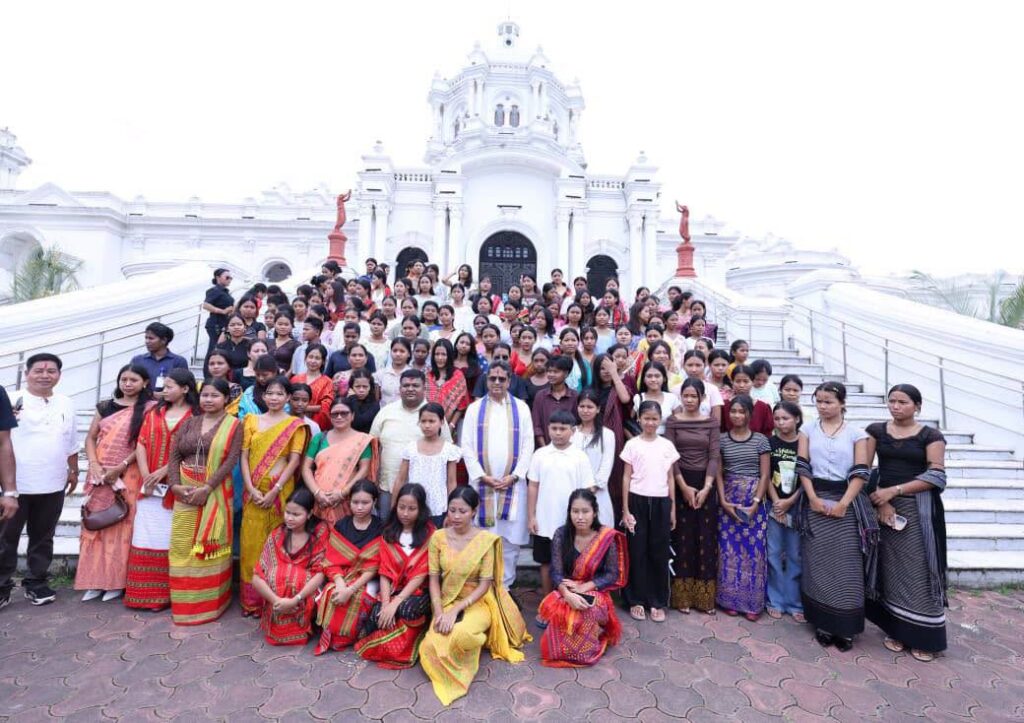
Explaining the historical significance of the observance, Dr. Saha said that while the rituals are now performed in front of the royal palace, earlier the entire palace complex used to remain within the sacred Ker boundary. The Chantai priests, who perform the rituals at the Chaturdash Devata Temple during Kharchi Puja, also conduct the ceremonies of Ker Puja, maintaining the continuity of Tripura’s ancient religious traditions.
A symbolic bamboo structure, regarded as an important element of the rituals, is worshipped during the festival as part of the elaborate ceremonies. The Chief Minister said these sacred rituals are performed with prayers for peace, development and the overall well-being of the state.
In keeping with traditional customs, outsiders are not allowed to enter the notified ritual area during the observance of Ker Puja. Strict traditional codes remain in force throughout the two-and-a-half-day festival. Activities such as birth ceremonies, funeral rites and recreational events are prohibited within the designated sacred boundary until the rituals conclude.
Historians believe that Ker Puja has long been performed to ward off evil spirits, protect society from epidemics and ensure peace and prosperity. The observance continues to reflect the indigenous communities’ deep respect for nature, spirituality and collective welfare.
| Also Read: Former Tripura Governor Dr. D. Y. Patil passes away at 90 |
Apart from the main celebration at Ujjayanta Palace, Ker Puja is observed across tribal-dominated areas of Tripura by members of the Tripuri, Reang and several other indigenous communities. Similar traditional observances are also held in parts of other Northeastern states and in the Chittagong Hill Tracts of neighbouring Bangladesh, highlighting the festival’s historical and cultural significance across the region.
Taking to X after participating in the rituals, Dr. Saha extended his heartfelt greetings to the people of the state. He described Ker Puja as a unique representation of Tripura’s heritage, culture and spiritual beliefs, expressing hope that the sacred festival would bring peace, good health, prosperity and happiness to every family.
| Also Read: Tripura CM Promotes Model Schools and Quality Edu for Students |
As Tripura continues to preserve its centuries-old customs and traditions, Ker Puja remains one of the state’s most significant cultural and spiritual festivals. Beyond its religious importance, the annual observance serves as a powerful reminder of communal harmony, brotherhood and the shared cultural legacy that unites the people of Tripura across communities and generations.





