


Tata Trusts’ springshed management initiative in Tripura’s Tlangsang village restored water availability, improved rural livelihoods and strengthened climate resilience through scientific recharge methods, community participation and sustainable water conservation practices in the remote Jampui Hills tribal region.
Water availability has improved dramatically in Tlangsang-2, a remote tribal village in the Jampui Hills of North Tripura, after a scientifically planned springshed management initiative supported by Tata Trusts successfully revived a declining natural spring that serves as the community’s primary water source.
The initiative, implemented through Tata Trusts’ associate organisation Centre for Microfinance and Livelihood, has emerged as a significant example of how technical intervention combined with community participation can address rural water scarcity and improve climate resilience in vulnerable hill regions.
Tlangsang-2 is inhabited mainly by a tribal community that depends on small-scale farming, livestock and forest-based livelihoods. For many years, villagers relied on a single natural spring for drinking water, cooking, household use, livestock care and irrigation of small kitchen gardens. However, irregular rainfall patterns and declining groundwater recharge gradually reduced the spring’s discharge, creating severe seasonal shortages.
Residents said water collection became especially difficult during the dry months between November and April. Women often spent several hours waiting for small quantities of water to accumulate before carrying heavy containers uphill to their homes. The shortage affected household activities, sanitation, livestock maintenance and agricultural productivity.
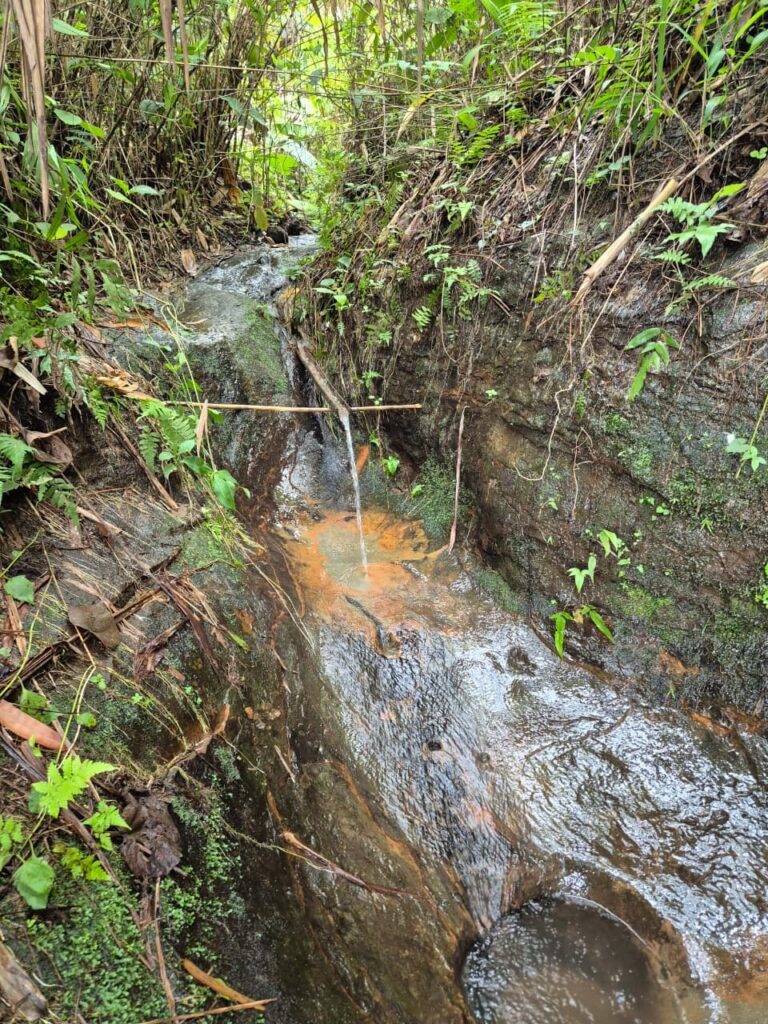
The crisis intensified in early 2025 when the spring’s discharge declined sharply from 1.3 litres per minute in January to only 0.32 litres per minute by March. With no technical knowledge available locally to identify the hydrological reasons behind the depletion, the village faced growing uncertainty over its long-term water security.
In response to the worsening condition, Tata Trusts launched a springshed management programme in the village through CML. Instead of focusing on short-term relief measures, the programme concentrated on restoring the spring source using scientific assessment, recharge treatment and community-led conservation.
Technical teams conducted a detailed study of the spring’s recharge zone and worked closely with villagers to prepare a participatory management plan. A Spring Water User Committee was formed to oversee decision-making, monitoring and maintenance activities at the local level.
The intervention involved excavation of nearly 300 recharge trenches and treatment of around 2.2 hectares of recharge area surrounding the spring. Regular monitoring of discharge levels was introduced, while villagers collectively protected the catchment zone from activities that could damage groundwater recharge capacity.
Tata Trusts and CML provided scientific guidance and technical expertise for designing the recharge structures, while community members contributed labour, local knowledge and monitoring support throughout the implementation process.
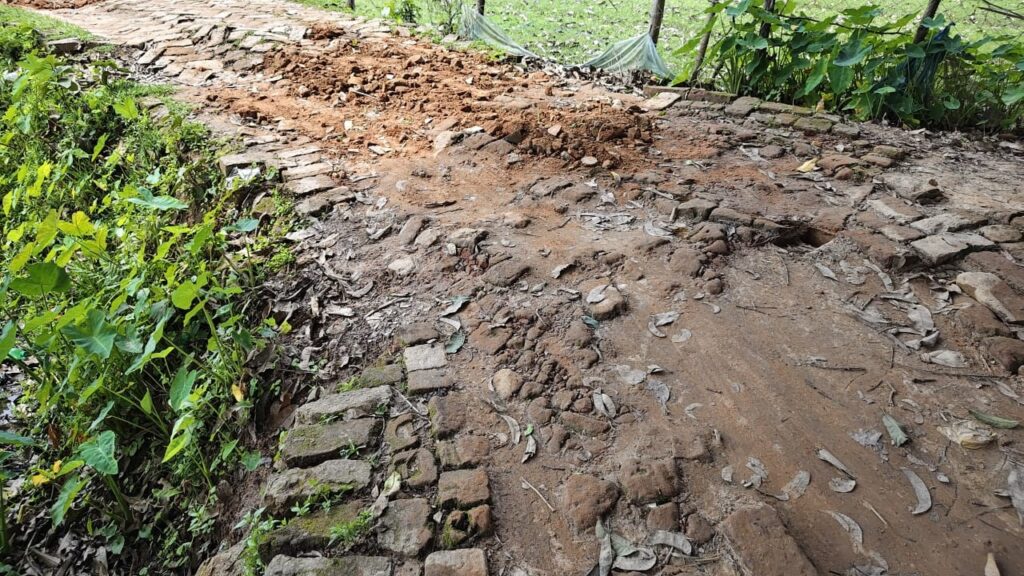
The results became visible within months, even before the arrival of the 2025 monsoon season. Spring discharge increased nearly fourteen-fold to 4.32 litres per minute in June. The output rose further to 4.65 litres per minute in July and reached 4.77 litres per minute by October.
The improvement remained visible even during the traditionally dry season. In January 2026, the spring recorded a discharge of 1.9 litres per minute, representing a 46 per cent increase compared to the previous year’s lean-season level.
Women played a leading role in the success of the initiative. Nearly 65 per cent of the labour force engaged in trench excavation consisted of women, who also participated actively in planning meetings, monitoring activities and community management efforts. Improved water availability has reduced the physical burden of water collection, saved time for livelihood activities and strengthened hygiene and household well-being.
Community members now view the restored spring as more than a water source. It has become a symbol of collective action and sustainable resource management in a region increasingly affected by climate variability.
| Also Read: TATA Trust guided Longtharai Matsyajibi Samabay Samiti emerges as fisheries growth model in Dhalai |
The experience of Tlangsang-2 is now being seen as a replicable model for other water-stressed hill communities in Tripura and across the Northeast. The initiative demonstrates how science-based springshed management, supported by local participation and long-term stewardship, can transform vulnerable rural settlements from chronic water scarcity toward sustainable water security and resilient livelihoods.
| Also Read: Diocese of Agartala marks grand Pearl Jubilee celebrations in Tripura |





