


Tripura CM Dr. Manik Saha inaugurated the nine-day traditional Melaghar Rath Yatra Festival in Sepahijala, highlighting cultural heritage, religious harmony, tourism development, and social unity while emphasizing the festival’s role in strengthening brotherhood and preserving the state’s rich traditions.
Chief Minister Dr. Manik Saha on Thursday inaugurated the nine-day-long traditional Rath Yatra Festival at Melaghar in Sepahijala district, describing the celebration as much more than a religious event and calling it a symbol of Tripura’s rich cultural heritage, communal harmony, and social unity.
The festival, jointly organized by the Sepahijala District Administration, the Information and Cultural Affairs Department, and the Melaghar Municipal Council, witnessed the participation of thousands of devotees, visitors, and local residents. The atmosphere was filled with devotion and enthusiasm as people from different communities gathered to celebrate one of the state’s most cherished traditional festivals.
Addressing the inaugural function, Chief Minister Dr. Manik Saha said that the Rath Yatra serves as a unique platform where people from all walks of life come together, strengthening the spirit of brotherhood, harmony, and humanity. He stated that the festival is not confined to religious significance alone but represents a universal celebration that promotes cultural exchange, mutual respect, and social bonding among people irrespective of caste, creed, or religion.
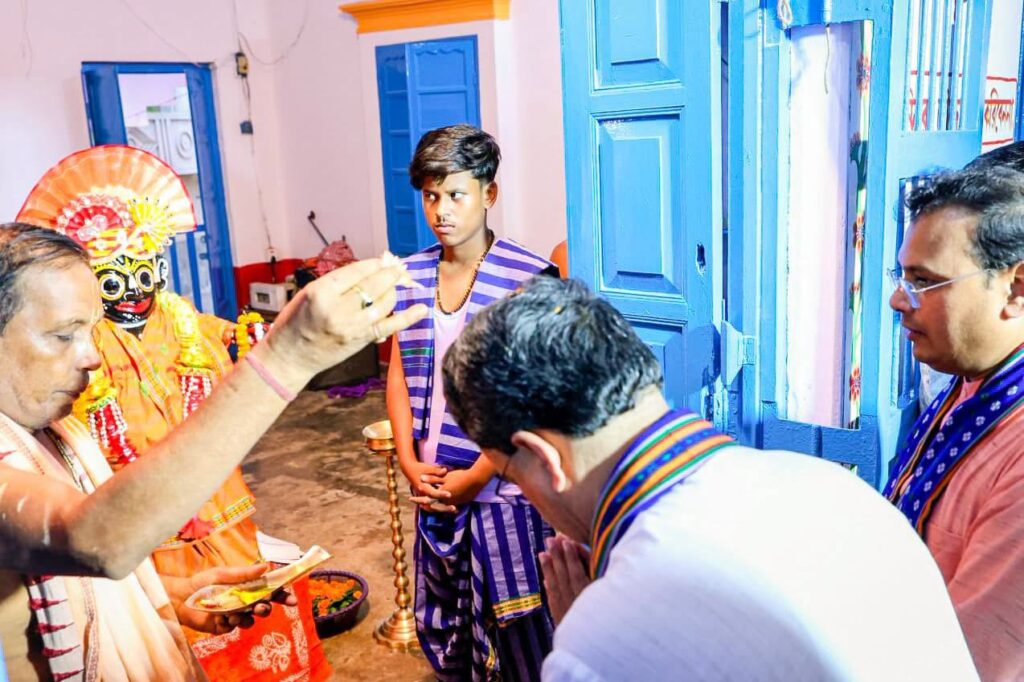
The Chief Minister extended his heartfelt wishes to the people and prayed that Lord Jagannath would bless everyone with happiness, peace, good health, and prosperity. Sharing his message, Dr. Saha expressed hope that the nine-day festival would continue to flourish in an atmosphere of devotion, respect, communal harmony, and goodwill.
Highlighting the government’s commitment to preserving cultural and religious heritage, Dr. Saha said the present state government, with the support of the Central Government, has undertaken several initiatives to develop religious institutions and tourism destinations across Tripura. He remarked that previous governments had not taken adequate measures to promote religious tourism, whereas the current administration is actively working to preserve heritage sites while creating better infrastructure to attract visitors and pilgrims.
The Chief Minister also noted that Prime Minister Narendra Modi’s vision for a developed India is inspiring both the Centre and the state government to work collectively for inclusive growth while preserving India’s cultural values and traditions.
Higher Education Minister Kishor Barman, who attended the inaugural programme, described the Melaghar Rath Yatra as a symbol of Tripura’s history, culture, emotions, and social unity. He said the centuries-old tradition has continued to bring together thousands of people every year, irrespective of religion or social background, making it one of the strongest symbols of communal harmony in the state.
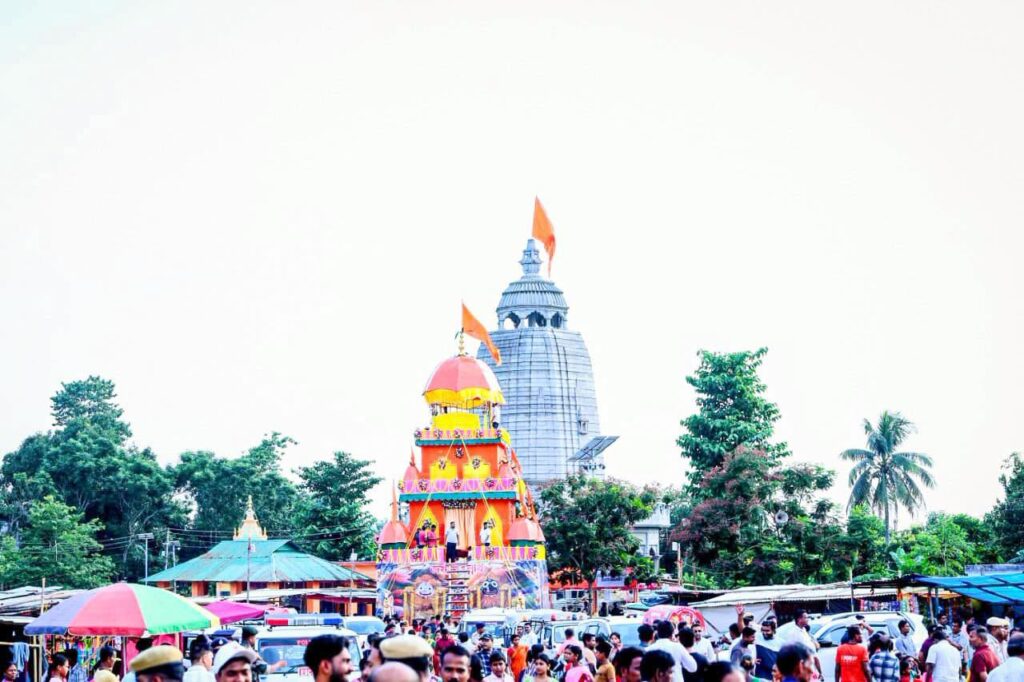
Speaking on the occasion, Barman said that just as people collectively pull the chariot of Lord Jagannath, building a united, progressive, and prosperous India also requires the participation of every citizen. He added that India’s cultural heritage, social values, and unity would remain the greatest strengths in realizing the vision of Viksit Bharat 2047.
The programme was also addressed by Sepahijala Zilla Parishad Sabhadhipati Supriya Das Dutta and Sonamura Sub-Divisional Magistrate Raju Deb. Among those present were MLA Bindu Debnath, Sepahijala District Magistrate Dr. Siddharth Shiv Jaiswal, Superintendent of Police Bijoy Debbarma, social worker Prasenjit Ghosh, Shubhrajit Das, and several other dignitaries.
| Also Read: Tripura CM Launches Yoddha Portal, Resolves Citizens’ Welfare Grievances |
The traditional Melaghar Rath Yatra will continue for nine days with religious rituals, cultural programmes, devotional activities, and a vibrant fair, drawing thousands of devotees and tourists from different parts of Tripura. The festival continues to stand as a living symbol of faith, cultural heritage, communal harmony, and the enduring spirit of unity that defines the state.





